Kelsey Park in Beckenham is my local park, and I’ve spent many hours taking pictures there. I didn’t visit yesterday, but round 19:00 I heard the familiar screeching of the parakeets; there is a large flock of ring-necked parakeets in the park. I walked onto the balcony and saw the flock had gathered to eat nuts from a tree (no idea what kind) just inside the park fence. I grabbed my camera and took a few shots. They’re ok, but quite heavily cropped as I no longer have a camera with a sufficiently long telephoto lens.
The Oxford Declaration on Freedom of Thought and Expression
Further to my post, a few days back, on the Freedom of Thought report, the World Humanist Congress, which has been meeting in Oxford over the past week has issued The Oxford Declaration on Freedom of Thought and Expression. The full text is reproduced below.
Full Text of Declaration
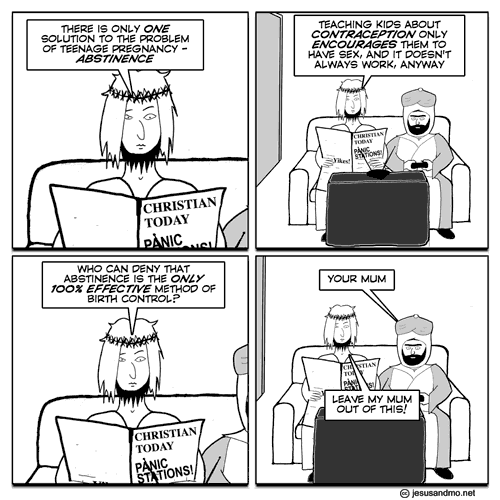
Birth Control
Freedom of Expression
I’ve been reading the report, Freedom of Thought 2013 published by the International Humanist and Ethical Union:
Freedom of Thought 2013 is the first report to look at the rights and treatment of the non-religious in every country in the world. Specifically, it looks at how non-religious individuals—whether they call themselves atheists, or agnostics, or humanists, or freethinkers or are otherwise just simply not religious—are treated because of their lack of religion or absence of belief in a god. We focus on discrimination by state authorities; that is systemic, legal or official forms of discrimination and restrictions on freedom of thought, belief and expression.
Do Goals Prevent Success?
Effectuative thinking, unlike causal thinking, is bottom-up. It doesn’t start with a final goal in mind. Instead, as Sarasvathy explains, “it begins with a given set of means and allows goals to emerge contingently over time.”
via Do Goals Prevent Success? – Study Hacks – Cal Newport.
This post touches upon a topic that I have written about before here and here. Newport discusses the work of Saras Sarasvathy into entrepreneurship. The quick summary:
Sarasvathy identifies four main principles to approaching your work in this manner:
1. Start with what you already know how to do well.
2. Filter your efforts to avoid big downsides not to select for big upsides.
3. Work with other people who bring new abilities to the table.
4. Take advantage of the unexpected.